Tagged: Free and Open Source
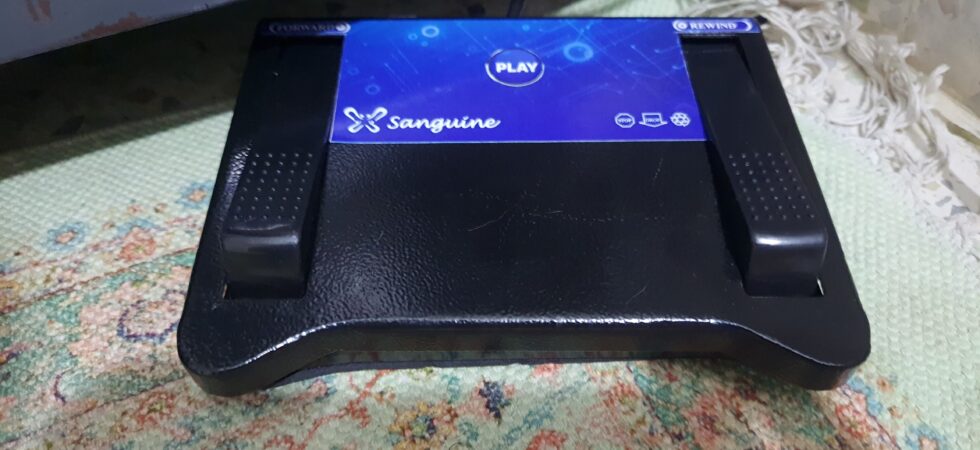
I have been full-time at a standing desk for almost two years now. Except in long meetings (which happens rarely), I don’t sit. I wondered if I could do more with my feet than just standing. What if I could use a foot pedal? Some use cases could be scrolling up/down, muting/unmuting in a meeting, pausing/continuing in OBS, etc.
How many subscribers does my blog have? It’s difficult to answer the question.
A simple HTTP server serves static HTML, Javascript, CSS, Images, etc. Sometimes you need a bit of dynamic content from the server-side. There are simple microframeworks to mega frameworks to achieve this. You could use any of these available web frameworks on the server side. But let’s say you don’t have access to any of those frameworks, and you want it to be simple and lightweight. You could try CGI.
Or you are just a web geek and want to spend an hour on old but interesting technology.
I often try to use Docker with my Digdag workflows. That way, we can keep the dependencies clean and separate for each DAG. I have blogged about it in detail before. Now instead of Docker, I can use Podman, by just making one small change.
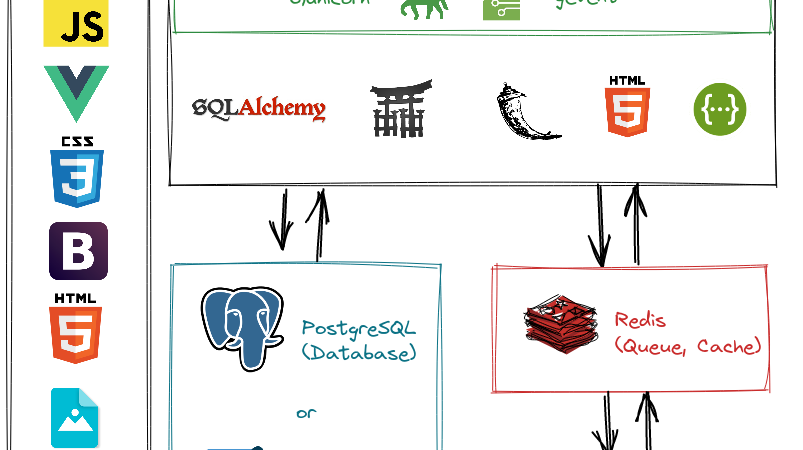
I like to use the same stack again and again. It makes me productive, makes code less buggy, and builds knowledge over time. Unless there is a real need like unmaintained software or a different kind of application or unless I am going to build a Facebook or Google, I rarely change things in this stack. Even if I am going to build Facebook, I would start here and then adjust as it grows, just like Facebook did with it’s stack.
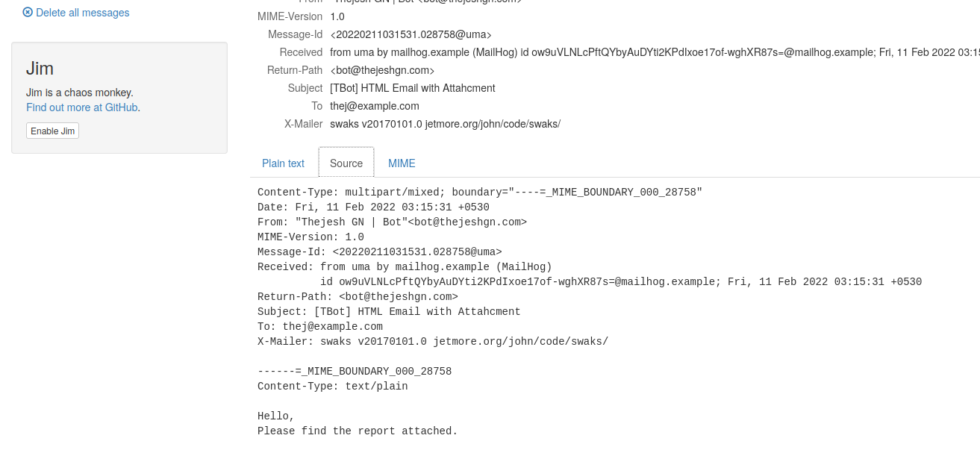
To test SMTP integration, you can either send emails using the production SMTP or you can run a test SMTP server just for testing. But its not easy for every developer in your team to do that or make it part of your CI/CD. This is where Fake or Mock SMTP servers play a role. They can run on a developers machine and expose an SMTP endpoint to connect and send test emails. They usually have web access to view the test emails to check formatting etc, manually. Some of them also expose a web API to retrieve the content for CI/CD integration. Here are some of my favorite mock SMTP servers.