Category: Technology

2

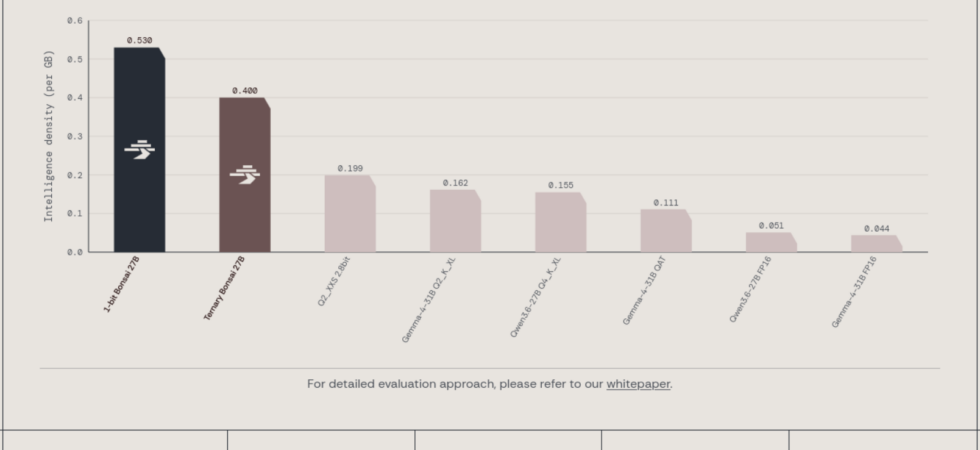
Exploring 1-Bit LLMs

My interest in LLMs has increasingly shifted towards smaller models, small in terms of size and their ability to run on modest local machines. For some time now, I have been using models with fewer than 40 B parameters on my machines in some quantized way. Then I came across BitNet, a project...

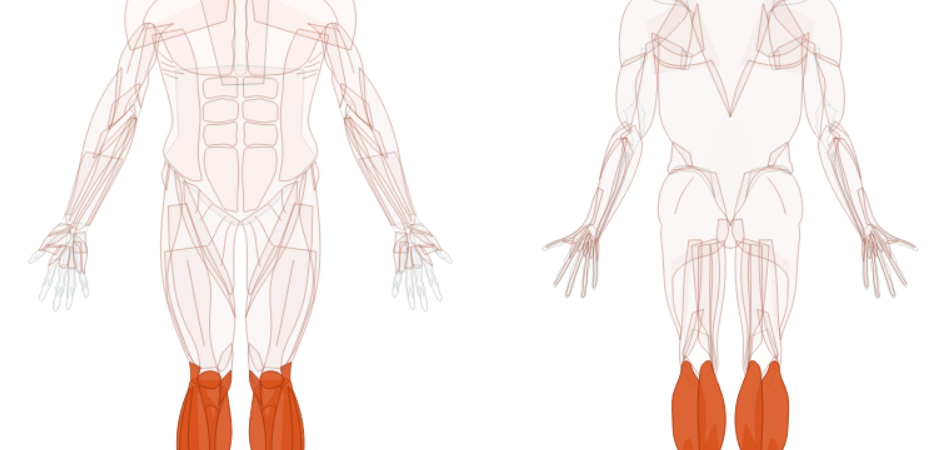
Embedding a workout muscle-map web component. 0

Embedding Workouts using Web Component

I wanted a way to represent workouts by the muscle groups they activate. Most applications where you log do it. I thought it must be easy with SVG images. It wasn’t as easy. First, I had to get an image that is remake-friendly. I used this drawing by OpenStax & Tomáš Kebert &...

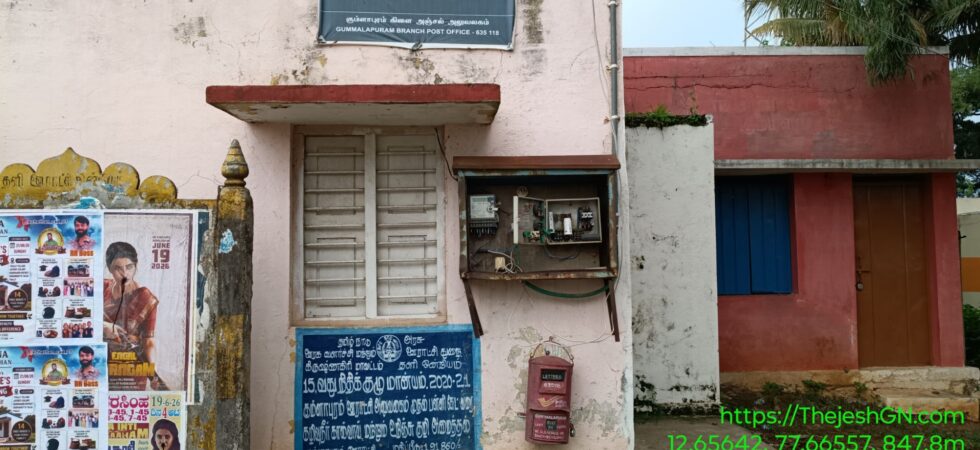
Gummalapuram Branch P.O 0

Linked List : Annotating Photos for Humans and Machines

Photos taken on a mobile phone can include metadata. I like it for various reasons. My various projects depend on metadata, such as date, location, orientation, etc. But more and more, the phones are removing that metadata when I transmit it. Some of them also change the file name. But I care, and...

Searching your name in SIR in 2002. 0

SIR Online: Everything Is Difficult by Design

I did SIR enumeration online. The application seems to have been written by someone who hates users and doesn’t want them to get the work done1. I have had the same EPIC number since 2002, and it is still valid. I have kept my information updated over the years. Yet, I had to...

Accessing Arduino Uno properties in SimulIDE 0

Getting Started with SimulIDE and Arduino

I was looking for an alternative to Tinkercad to simulate building, coding, and running Arduino projects. SimulIDE Circuit Simulator seemed like an ideal candidate. SimulIDE is a simple real time electronic circuit simulator, intended for hobbyist or students to learn and experiment with analog and digital electronic circuits and microcontrollers. It supports PIC,...

Compare Matrix for Kannada Kasturi. 0

Building kannada-kasturi-embeddings

Embeddings are numerical representations of real-world objects, such as words, phrases, text, images, audio, and video. Since the real world is so complex, these representations are usually vector arrays of floating-point numbers. This helps computers process meaning, context, and semantic relationships using distances and directions between vectors. Word2Vec and FastText Embeddings are learned...