Tagged: Free and Open Source
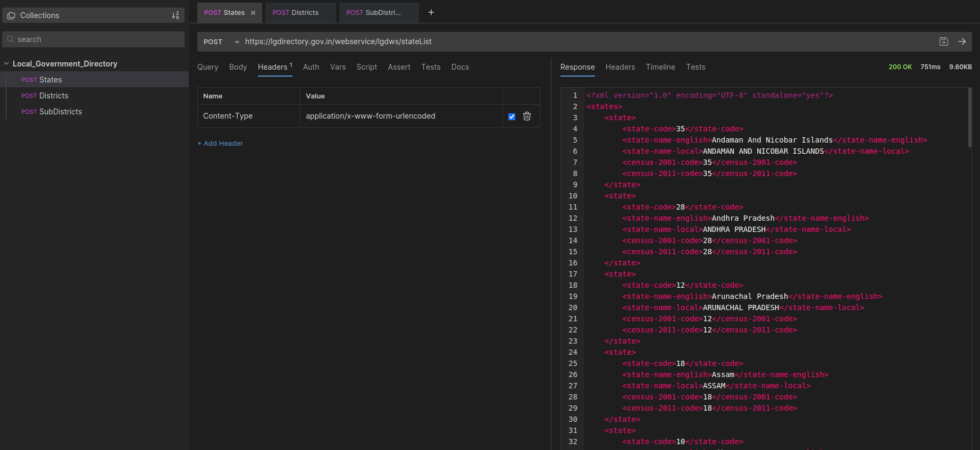
I have been moving to Bruno from Insomnia App in the last few weeks. I loved Insomnia. I have introduced it to so many folks. In recent times, though, it has become very cloud-oriented. In my last update, I thought I lost all the data. I had to downgrade to get it. That was it.
I have used VirtualBox for creating Virtual Machines, especially when trying something new or needing isolation. Over time, parts of the needs were satisfied by Docker (Podman). But there are still instances where I would like a proper virtual machine. These days, I have moved to QEMU, that too, Quickemu.
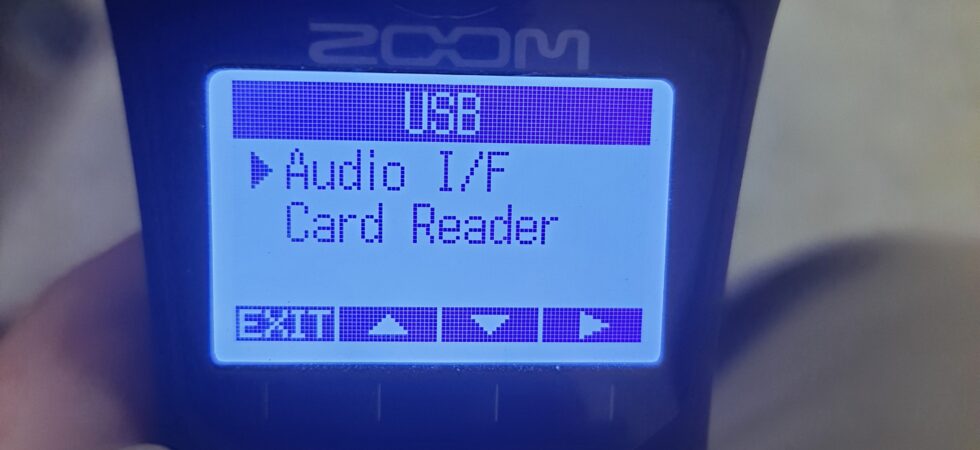
I have a Zoom H1n, which I have used for recording things on the go. But one of the features is to use it as a USB microphone, which I knew about but had not tried. This week, I tried. It was easy and worked really well. I am making a note here for future me and anyone else.
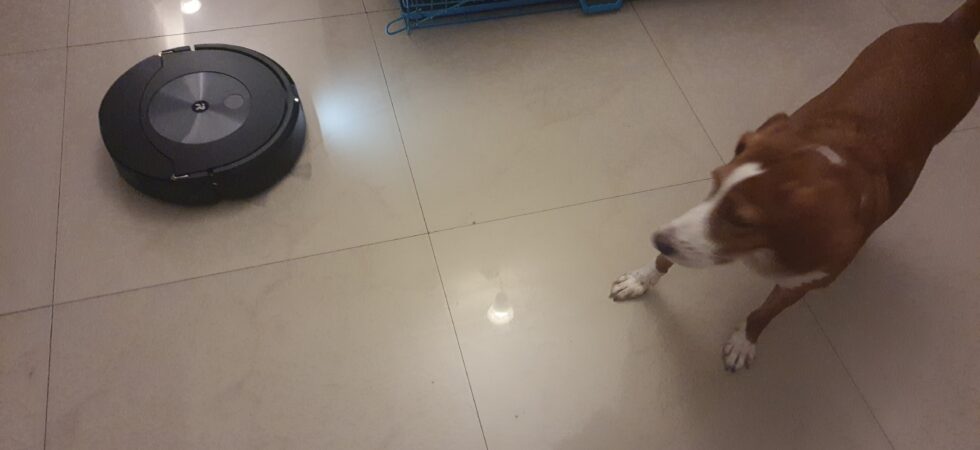
We got a Roomba Combo j7 sometime back. It’s a combo vacuum and mopping robot. We primarily use it for Vacuuming, but mopping is decent too. We used to once a week vacuuming using Dyson. But I needed to vacuum our bedroom daily, which is difficult if you do it manually.
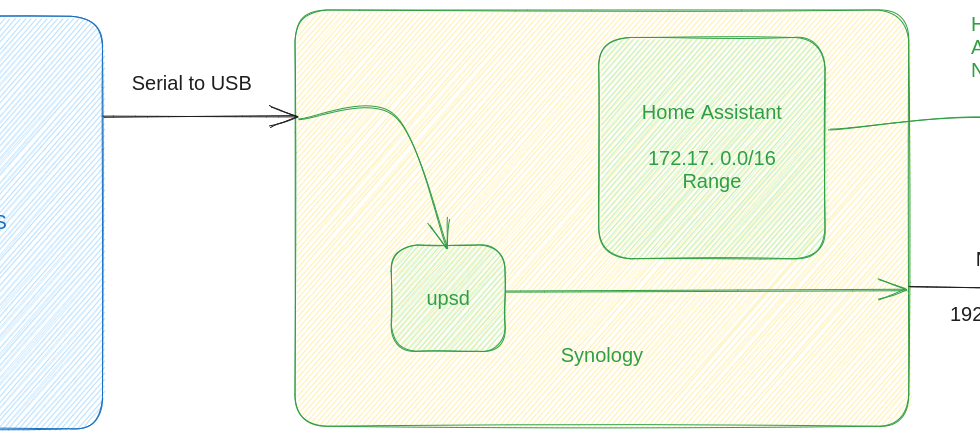
I have an old APC UPS. It’s Back-UPS Pro 1000. It’s a decent UPS with all the functionalities that I want, except for the fact that it still takes lead-acid batteries. I recently connected it to my Home Assistant using Synology and NUT. This setup enables me to monitor the power, send alerts, and take action.
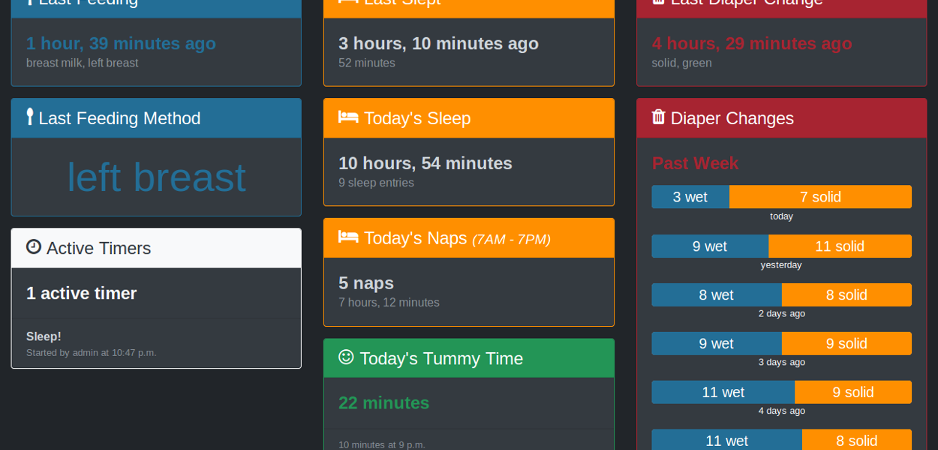
It is tough to keep track of newborns’ daily routines, mainly because you are generally busy performing those tasks rather than making a note of them. Even then, I have seen people keeping diaries. That can happen only because of lots of dedication and hard work. I wanted to make it easy for us.