Tagged: Free and Open Source
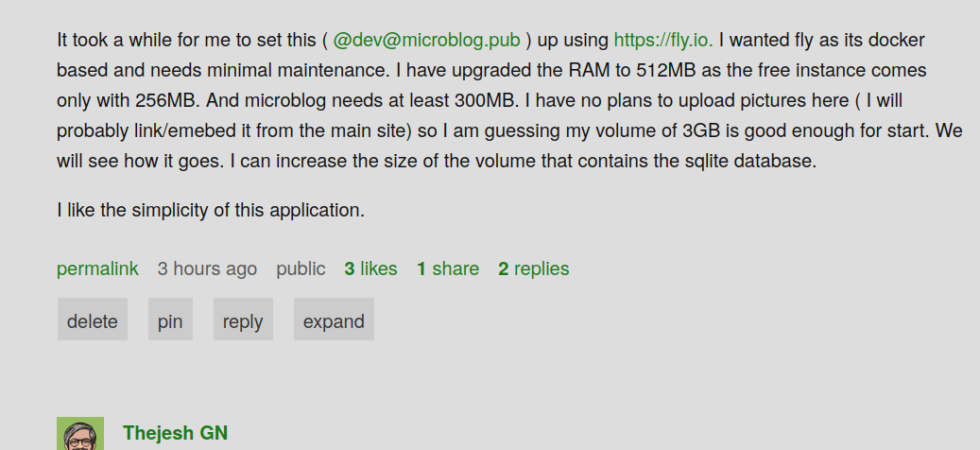
This time I was sure my move to Fediverse would be much more permanent. So instead of using site instances owned by someone else, I wanted to host it myself. So I started looking for appropriate software. Finally, I chose microblog.pub.
One of the things that I would like to do every day is to read a Vachana. It does appear to me on my desktop daily, but even then, I miss it when I don’t access that specific computer or am busy. So a push message would be great.
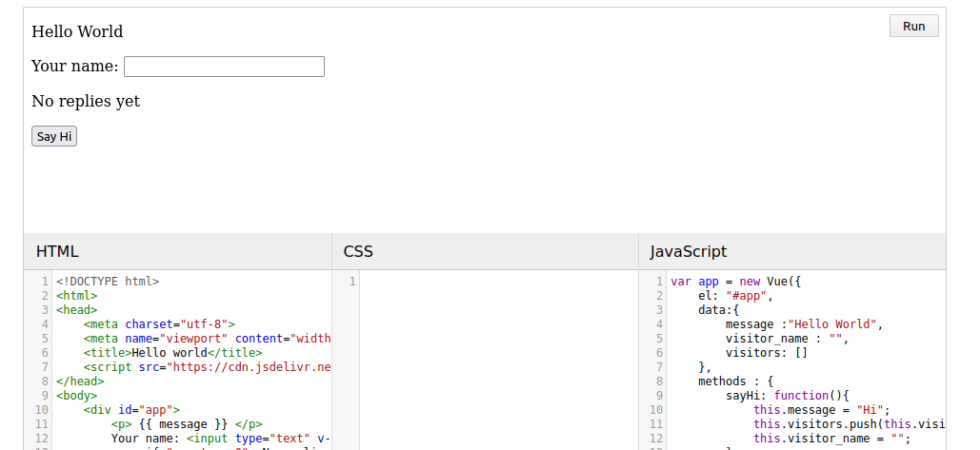
I have been looking for embeddable, playable HTML/CSS/JS snippets for some time. Services like JSBin, CodePen, CodeSandbox, etc., do allow that. But I was looking for a self-hosted version as my requirement was just the ability to use HTML/CSS/JS, which are native to the browser and can run offline without any backend services.
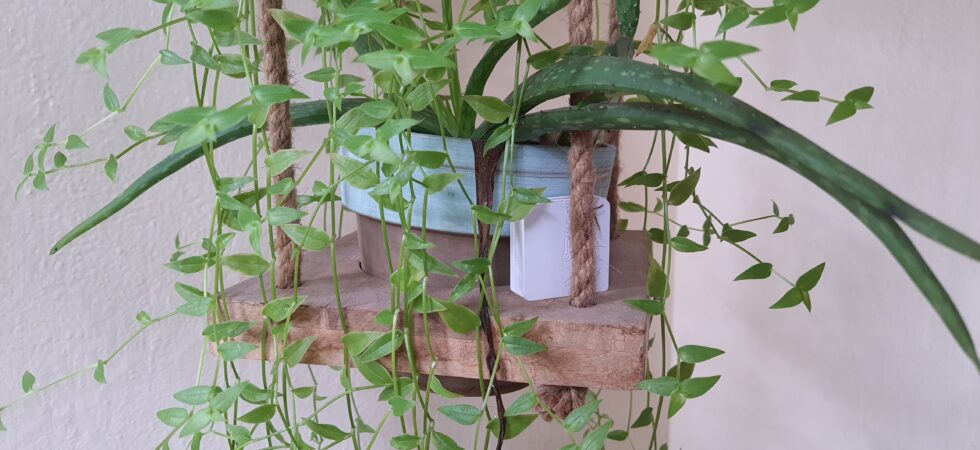
I want to use and run many small battery sensors across the home. Wifi would have worked, but battery-powered sensors make them portable and usable. Also, I would like to keep small sensors out of my wifi network for security reasons. Zigbee is the ideal candidate for this.
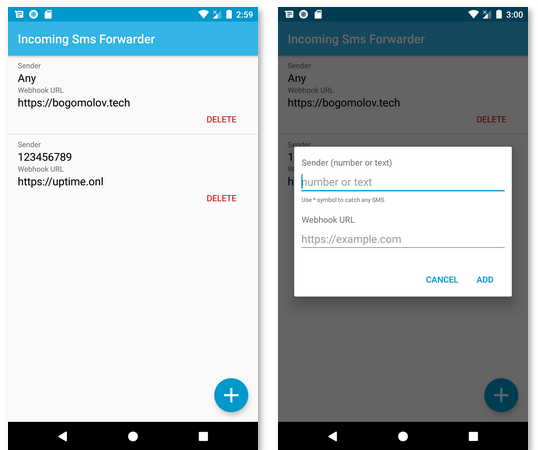
I always wanted a simple App that would read the SMS and push it to a web endpoint (also called webhook) sometimes. I wanted such an app to easily back up and process the SMSes in real-time and on the web.
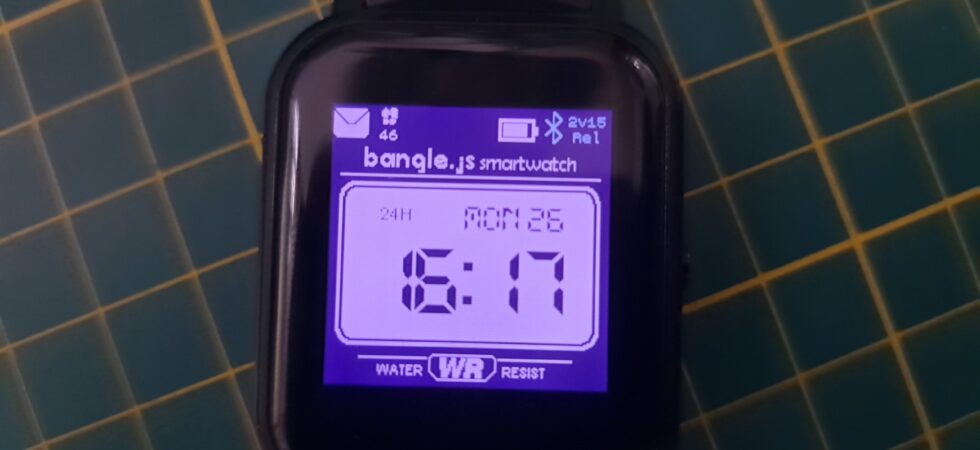
I love simple smartwatches that are hackable. I got my first and second Pebble as part of their Kickstarter campaign. I was a pleased user until then shut shop. I continued my search for a smartwatch. I had two options in front of me Bangel.js 2 and PineTime. I got both of them. But my PineTime is a developer, early version. Hence Bangle.js became the official replacement for Pebble